Strong Engagements for Zero Waste and Climate Action on the Road to Antalya:
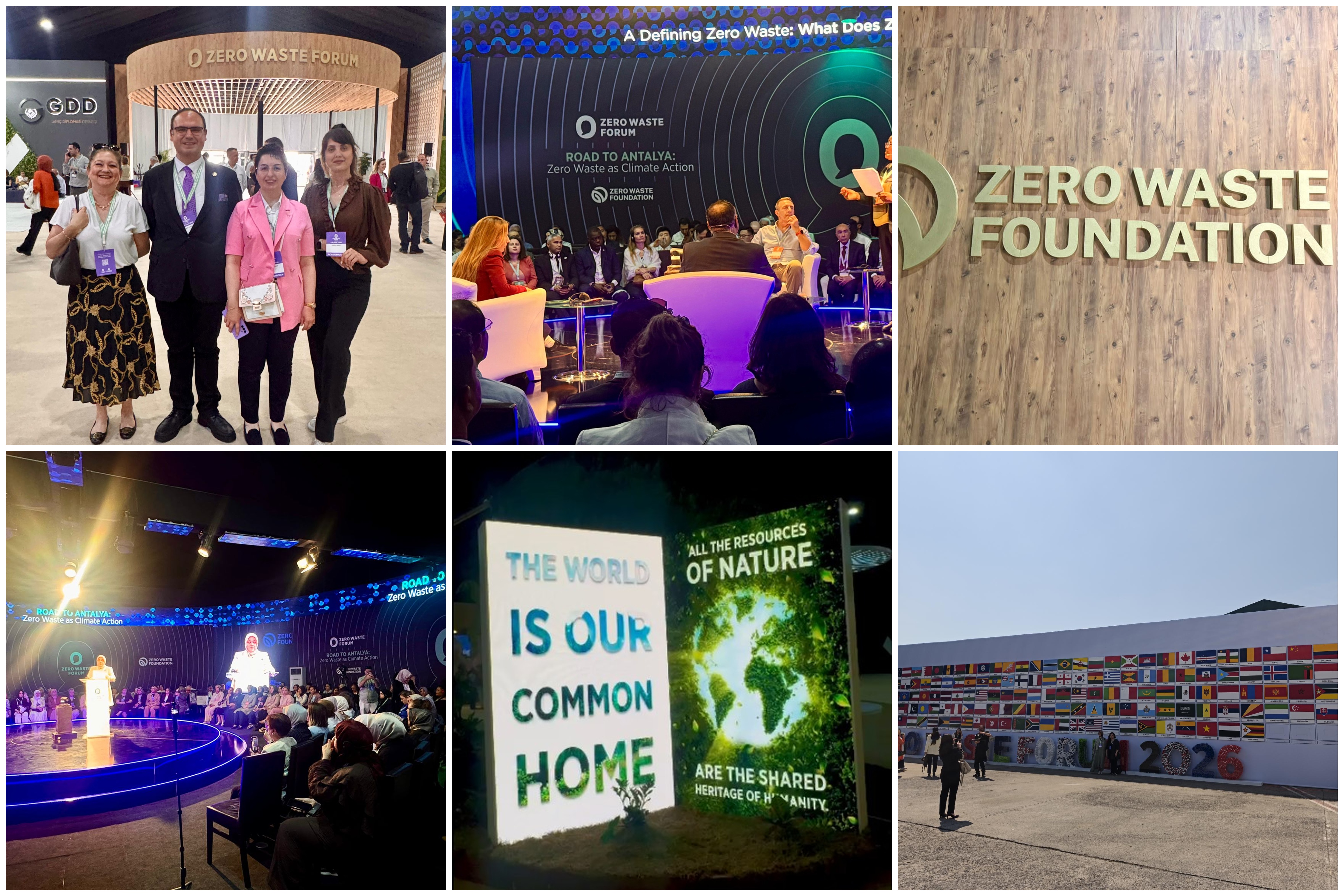
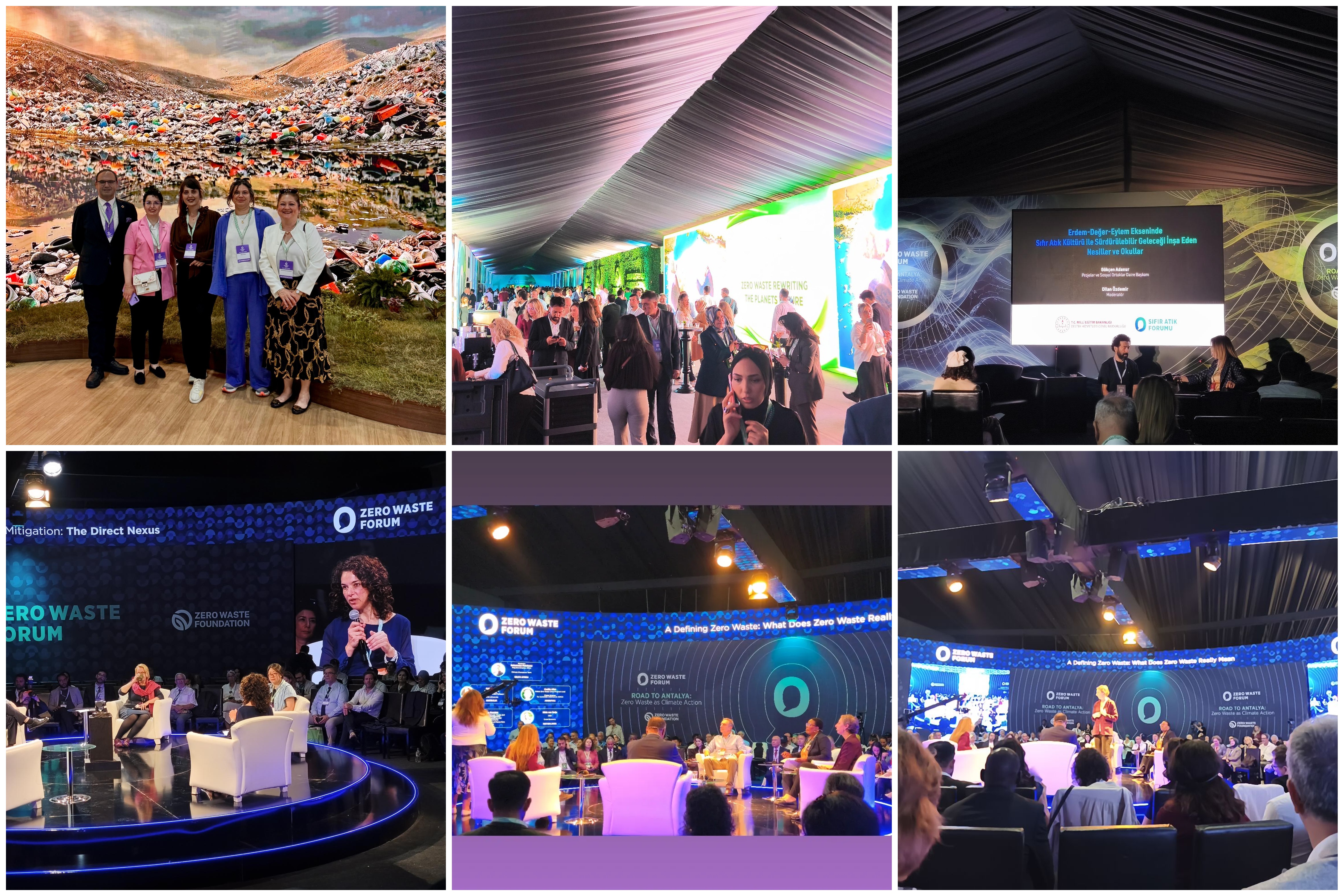
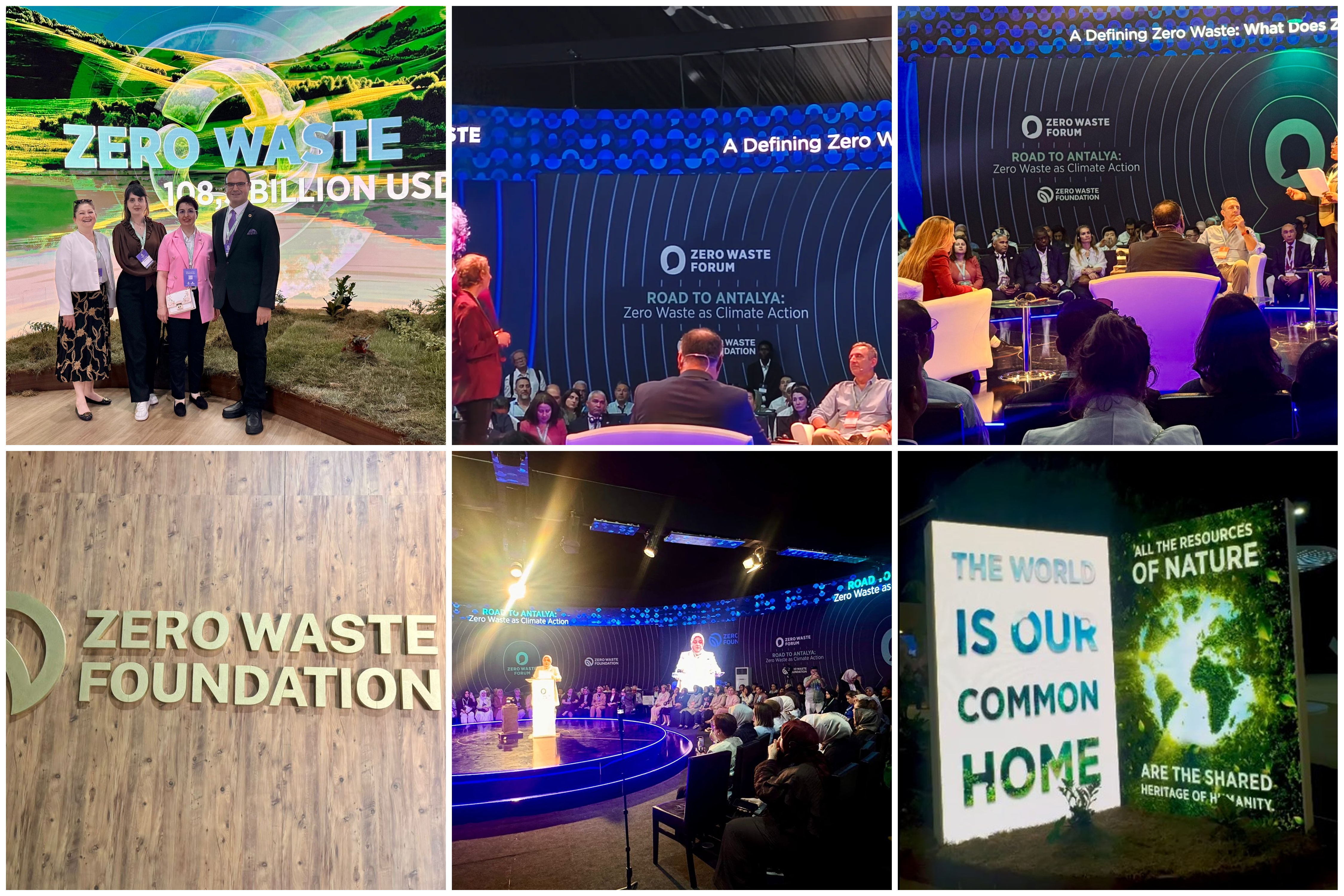
As the Sustainability Office of Maltepe University, we participated in the Zero Waste Forum 2026, organized by the Zero Waste Foundation under the coordination of the Council of Higher Education (YÖK), held at Istanbul Atatürk Airport between 5–7 June 2026. Representing our university at the forum were Prof. Dr. Nevin Taşaltın, Prof. Dr. Ebru Beyza Bayarçelik, Asst. Prof. Dr. Mert Tolon, and Asst. Prof. Dr. Gamze Gürsu. Appointed by the Rectorate of Maltepe University, our academics attended forum sessions throughout the event and engaged with national and international stakeholders on issues related to zero waste, circular economy, climate action, sustainable development, and preparations for COP31.
As the Sustainability Office of Maltepe University, we joined the forum with four academic representatives and had the opportunity to closely follow the latest developments in zero waste, circular economy, climate action, and sustainable development. Bringing together representatives of international organizations, ministers, mayors, academics, business leaders, and civil society organizations, including the Secretary-General of the United Nations, the forum highlighted that zero waste is not only an environmental policy tool but also a powerful instrument for climate action.
Held under the theme “The Road to Antalya: Zero Waste as Climate Action,” the forum aimed to integrate zero waste practices into climate policies and strengthen multi-stakeholder collaboration ahead of COP31, which Türkiye will host in 2026. The event sought to develop practical partnership mechanisms among cities, countries, academic institutions, private sector organizations, and civil society actors.
Throughout the three-day program, parallel sessions addressed a wide range of topics, including the relationship between zero waste and climate change, circular economy, sustainable cities, food waste and methane reduction, resource efficiency in industry, financing mechanisms, zero waste policies, youth engagement, education, sustainable tourism, construction and demolition waste, data management, and climate governance. Particularly noteworthy from the perspective of Maltepe University was the strong emphasis placed on academic and research collaborations. Among the forum’s key objectives were increasing the contribution of academic institutions to research, measurement, data generation, and policy development processes, while encouraging new forms of cooperation between universities and implementation-focused organizations.
As a result of the meetings and networking opportunities held throughout the forum, the Sustainability Office of Maltepe University explored new collaboration opportunities with local governments, public institutions, international organizations, academic stakeholders working in sustainability, and civil society organizations. Significant discussions were held on topics such as youth participation, the promotion of a zero-waste culture, sustainable campus practices, and the role of universities in the COP31 preparation process.
More than simply a platform for knowledge exchange, the Zero Waste Forum 2026 served as a global meeting point that brought together cities, countries, businesses, innovators, academia, and civil society around shared sustainability goals. The forum’s outcomes—including action reports, city commitments, partnership mechanisms, and implementation guidelines—are expected to guide future zero waste initiatives at both national and international levels.
As the Sustainability Office of Maltepe University, we remain committed to representing our university on national and international platforms through our sustainable campus approach, climate action initiatives, zero waste practices, and community awareness projects. We will continue to build new partnerships and contribute to a more sustainable future. We believe that the knowledge, experience, and collaboration opportunities gained during the Zero Waste Forum 2026 will make valuable contributions to our university’s sustainability goals, and we extend our sincere appreciation to all institutions and organizations involved in making this important event possible.